White House warns incoming Democratic Congress that oversight could cross into 'blatant criminality'
White House Counsel William Scharf told the incoming chair of the House Oversight Committee that Democrats' promised investigations into the Trump administration risk "blatant criminality," opening a fight over subpoena power months before the new Congress convenes.
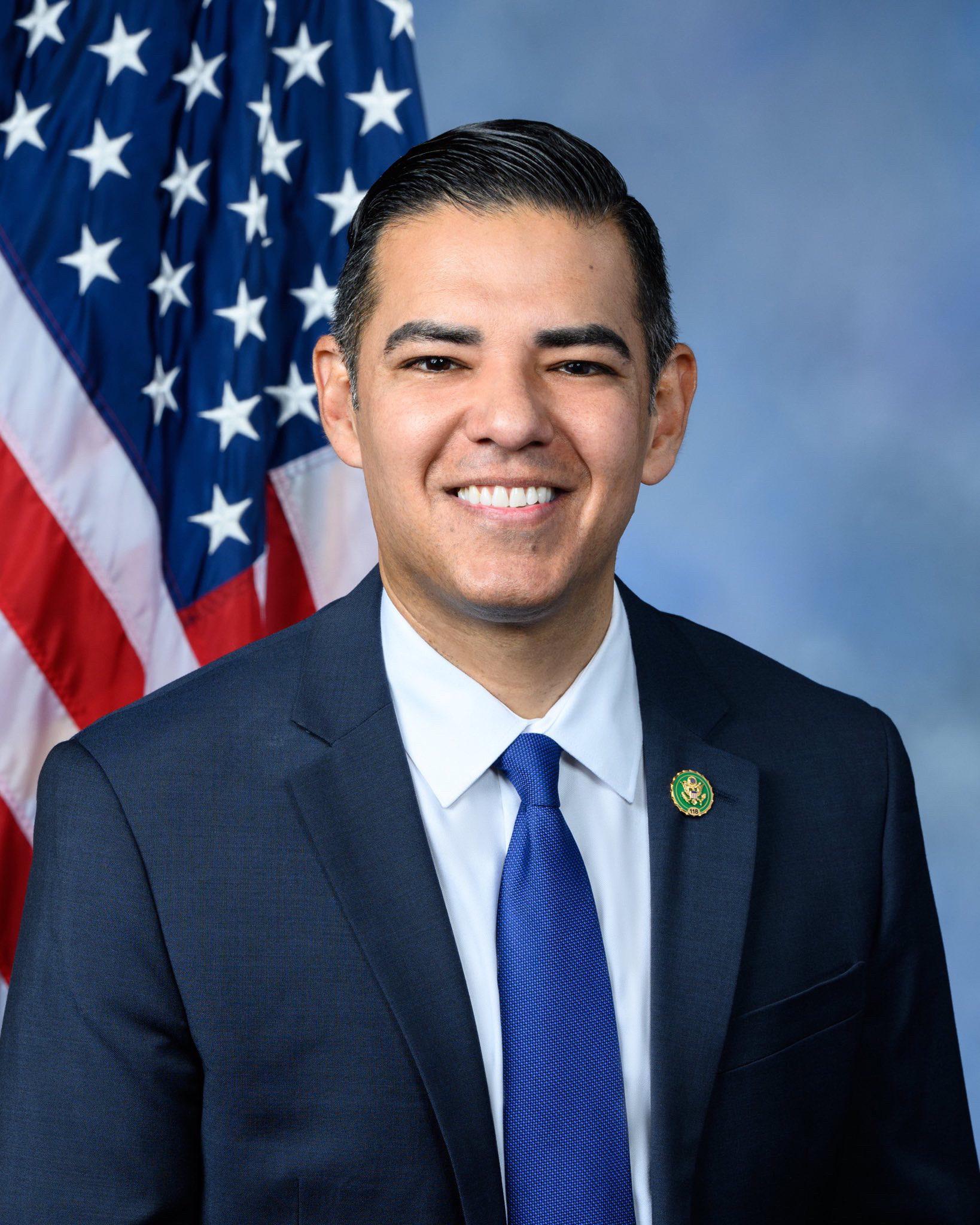
WASHINGTON — The White House has opened a formal legal confrontation with the incoming Democratic majority in the House, warning the lawmaker set to chair the chief oversight committee that his party's promised investigations into the Trump administration "may cross the line into blatant criminality."
The warning came in a letter dated November 9 from White House Counsel William Scharf to Representative Robert Garcia of California, the top Democrat on the House Oversight Committee and the man expected to take its gavel when the new Congress convenes on January 3. Garcia rejected the warning within two days, arguing that the committee's investigative power does not depend on White House consent and that Democrats would not be deterred.
"Congress' authority comes from Article I of the Constitution, not from the permission of the White House. It appears Donald Trump has something to hide," Garcia said in a statement posted by the House Oversight Committee's Democratic staff.
The exchange is the clearest sign yet of how bitterly the executive and legislative branches expect to collide once Democrats take control of the House, and potentially the Senate, following the party's sweeping gains in the November 3 midterms. It also tests, for the first time in concrete terms, a Justice Department legal opinion issued in August that laid the groundwork for the administration to resist the subpoenas Democrats have promised to issue.
A letter built on a Supreme Court precedent
Scharf's three-page letter leans on two Supreme Court rulings to argue that congressional investigators have no license to punish or harass administration officials. It quotes the Court's 1957 decision in Watkins v. United States, which held that "investigations conducted solely for the personal aggrandizement of the investigators or to 'punish' those investigated are indefensible," and cites the Court's 2020 ruling in Trump v. Mazars USA, which set out a four-factor test for weighing whether a congressional subpoena aimed at a sitting president serves a legitimate legislative purpose.
Those citations, Scharf wrote, mean that "threats to executive branch officials designed to deter them from public service, or process designed merely to abuse or instill fear in the recipient, may cross the line into blatant criminality," and that "issuing unlawful subpoenas with the intention of depriving citizens of their constitutional rights and privileges may warrant further investigation." The letter catalogs dozens of social media posts from incoming Democratic lawmakers describing plans to hand out subpoenas "like candy" and "Mardi Gras beads," and quotes Representative-elect Richard Ojeda saying he wants to watch Defense Secretary Pete Hegseth "squirm" in a hearing room.
Garcia has said his committee intends to pursue four principal lines of investigation beginning in January: President Trump's family business dealings, the Department of Homeland Security and Immigration and Customs Enforcement, alleged corporate corruption, and the handling of the Jeffrey Epstein files, according to Democracy Docket's reporting on the dispute. Garcia has also said he is prepared to use the committee's subpoena power against Hegseth, White House chief of staff Stephen Miller and other senior officials over the administration's conduct of the Iran war and immigration enforcement.
Justice Department stakes out its position
The Scharf letter followed, by about a day, public remarks from Attorney General Todd Blanche, who declined to rule out that the Justice Department could investigate Democratic lawmakers over their oversight statements. Blanche argued the Constitution makes defending administration officials part of his job but acknowledged that Congress retains constitutional oversight authority, saying Democrats' public statements had, in his view, crossed a line from oversight into intimidation.
The dispute traces back further than last week's letter. In August, the Justice Department's Office of Legal Counsel concluded in a formal opinion that executive privilege can extend to President Trump's communications with outside advisers who hold no government position, so long as those communications bear on official decision-making and remain confidential. The opinion does not bind courts, but it signals how the administration intends to respond when subpoenas start arriving. The Justice Department has already invoked the theory to resist a subpoena for Boris Epshteyn, an outside Trump adviser, in a lawsuit the American Bar Association filed over the administration's actions against major law firms; legal analysts at Just Security have noted that the privilege question has never been tested directly in court and that its outcome could shape how far Democrats can reach once they hold subpoena power.
A playbook from Trump's first term, updated for a tighter timeline
The posture echoes the stonewalling campaign the administration mounted against House Democratic investigators during Trump's first term, when the White House said it would resist "all" subpoenas and fought document requests through the courts for years. The difference this time, oversight lawyers say, is that the administration is pre-litigating its legal theory — through the OLC opinion and now Scharf's letter — months before Democrats formally hold gavels, rather than responding to subpoenas after they are issued.
That timing matters procedurally as well as politically. Congressional subpoenas and pending investigative requests generally expire when a Congress adjourns, meaning Democrats will not inherit the current committees' open inquiries; they will have to issue new subpoenas once the 120th Congress convenes and they organize their committees in January. Legal commentators tracking the standoff expect the administration to argue that the clock for responding to any Democratic request starts only once that formal process is complete, giving the executive branch additional room to resist before the first substantive compliance deadlines arrive.
The letter also arrived six days after Republicans lost the House majority in the November 3 midterms, a defeat that triggered a leadership scramble inside the House GOP conference and left Speaker Mike Johnson announcing he would not seek a leadership post in the next Congress. Garcia's committee is not the only one bracing for a fight: Representative Adam Smith, in line to chair the House Armed Services Committee, has already said Hegseth and Deputy Defense Secretary Steve Feinberg will be first on his list to call for testimony on the Iran war, meaning the Oversight Committee's clash with the White House is likely to be the first test case rather than the only one.
A fight neither side appears ready to avoid
Reaction on Capitol Hill broke down almost entirely along party lines. Representative James Walkinshaw, a Virginia Democrat, called the threats in Scharf's letter "pathetic." Several legal scholars quoted across multiple outlets, including a former federal prosecutor, dismissed the criminal threat as unlikely to survive any court test, noting that the Supreme Court's own Mazars standard was written specifically to protect, not foreclose, congressional fact-finding. Representative James Comer, the outgoing Republican chairman of the Oversight Committee, told reporters he had not yet read the letter and described the panel as "very independent" of the White House, a notable distance from his own party's position.
The confrontation lands as both parties face a December 11 deadline to fund the government and as the current, Republican-controlled Congress works through its final weeks before Democrats take the House majority. Garcia's office has said the committee will proceed with its planned investigations regardless of the White House's warning. Neither side has suggested the dispute will be resolved before January, when the practical test begins: whether Democrats can make subpoenas against a defiant executive branch stick, and whether the administration's privilege and criminality arguments hold up once they are tested in court rather than argued in letters.

Democrat edges out House Rules Committee chair in tight North Carolina recount race

Senate Republicans race to confirm Trump's judges before Democrats take control

Scott Colom defeats Hyde-Smith, becomes first Black senator directly elected by Mississippi voters
