Scott Colom defeats Hyde-Smith, becomes first Black senator directly elected by Mississippi voters
A week of ballot counting ended with Democrat Scott Colom's narrow defeat of Republican Sen. Cindy Hyde-Smith, a pickup in one of the reddest states in the country and the first time Mississippians have directly elected a Black candidate to the U.S. Senate.

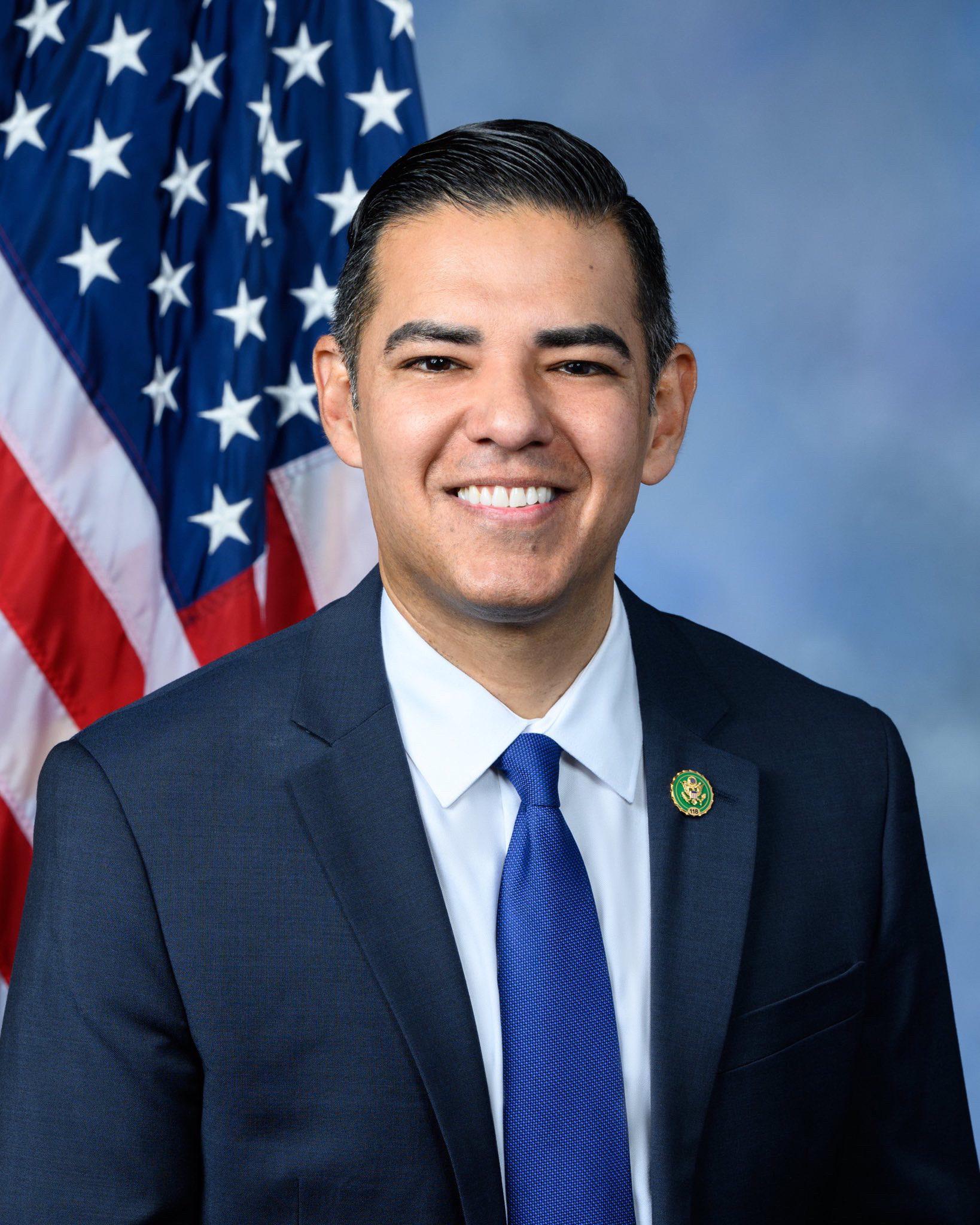
Democrat Scott Colom has defeated Republican Sen. Cindy Hyde-Smith in Mississippi, a result confirmed after a week of ballot counting that turned one of the reddest states in the country into the most unexpected pickup of this year's midterms. Colom, the elected district attorney for a four-county district in the state's Golden Triangle region, will become the first Black candidate directly elected to the U.S. Senate by Mississippi voters, and the first Democrat to hold the seat since 1982.
Hyde-Smith conceded by video statement on the evening of Wednesday, Nov. 11, after the Associated Press, CNN and other outlets called the race for Colom once Hinds County finished processing a backlog of affidavit ballots that widened his lead. "This is not the outcome we worked for or hoped for," she said, adding that she respected "the decision of Mississippi voters." Her campaign had spent the preceding week insisting it remained confident she would be reelected once every legally cast ballot was tallied.
A margin measured in thousands, not landslides
The contest was effectively tied on election night. By 3 a.m. the morning after the Nov. 3 vote, with roughly 96% of ballots counted, Colom held a lead of just 43 votes out of more than 925,000 cast. Mississippi's Secretary of State reported days later that 75 of the state's 82 counties had uploaded unofficial totals, with roughly 2,700 absentee ballots and more than 14,000 affidavit ballots still being reviewed; about three-quarters of the affidavit ballots were ultimately accepted. By the time national outlets called the race, Colom's lead had grown to a range that different organizations put at between 4,585 and about 4,700 votes, a margin under half a percentage point, but well outside the range of an automatic recount under Mississippi law, which has no formal recount mechanism for statewide races.
Mississippi has unusually restrictive voting rules by national standards: no no-excuse mail voting, no early in-person voting and no same-day or online registration. Tens of thousands of voters statewide had to cast affidavit ballots after being flagged "inactive" under the state's voter-list maintenance process, and Hinds County, a Democratic stronghold anchored by Jackson, rejected roughly two-thirds of its affidavit ballots, mostly for improper registration or voting in the wrong precinct. Colom's campaign and allied voting-rights lawyers argued the affidavit process itself became a decisive battleground in a race this close.
Ending a 44-year drought
Mississippi last sent a Democrat to the Senate when John Stennis won reelection in 1982. "This is something in many respects that we have not seen in our lifetime, particularly in Mississippi," William Newman, a political scientist at the University of Southern Mississippi, told WLOX as the count narrowed. Colom's win is also historic on a second axis: Mississippi's only two previous Black senators, Hiram Revels and Blanche K. Bruce, were both chosen by the state legislature in the 1870s, before direct popular election of senators existed. Colom will be the first Black candidate Mississippians have elected to the seat themselves.
"Black voters once again demonstrated the power of civic engagement and the strength of our democracy," said NAACP President Derrick Johnson, a Mississippi native, after the race was called.
Colom, 43, has served as district attorney for Mississippi's 16th Circuit Court District, covering Clay, Lowndes, Noxubee and Oktibbeha counties, since unseating a 30-year incumbent in 2015. He was renominated twice without serious opposition and has cited a conviction rate above 90% in campaign materials. His path to Washington was complicated earlier in the decade: President Biden nominated him to a federal judgeship in 2021, but Hyde-Smith, exercising her home-state "blue slip" privilege, blocked the Senate Judiciary Committee from ever considering the nomination. Colom later said that episode helped persuade him to challenge her directly rather than wait for another appointment.
A race national Democrats were slow to fund
For much of the year, party strategists and forecasters treated Mississippi as unwinnable, and the Democratic Senatorial Campaign Committee left the state out of an early $40 million investment across ten battleground races. Rep. Bennie Thompson, the state's lone Democrat in the U.S. House, publicly pressed national Democrats to reconsider, and Senate Majority PAC eventually committed roughly $1.2 million to ads backing Colom in the campaign's final weeks, alongside appearances by Kamala Harris and Cory Booker. Colom has since argued, including in interviews after the race was called, that handicappers who wrote off Mississippi and the broader South made the state harder to compete in by discouraging donors, a complaint he has repeated this month as he urges the party to treat Southern states as persistently competitive rather than write them off between presidential cycles.
The upset adds to a wave of Senate and House gains Democrats posted nationally this cycle, flipping control of both chambers of Congress after a campaign dominated by affordability complaints and dissatisfaction with the Trump administration. Mississippi was not among the races most forecasters considered central to that fight, which makes its outcome a notable data point for both parties heading into 2028: Republican strategists are already treating it as a warning about turnout and candidate quality in a state the party has not seriously contested in decades, while Democrats are citing it as evidence that no Southern state should be conceded by default.
What happens next
County election commissioners had until the Friday after the election to certify their results to the Secretary of State's office, which then compiles the statewide canvass; Mississippi law treats the certified county totals as final absent a legal challenge, and Hyde-Smith's campaign has given no indication it intends to pursue one. Colom is set to be sworn in when the new Congress convenes in January, joining a chamber Democrats will organize for the first time since 2014. He has said his early priorities include expanding broadband and rural health care access and has called for changes to ballot and voter-list procedures he blames for the tens of thousands of affidavit votes cast this cycle, an issue likely to surface in the Mississippi Legislature's 2027 session regardless of which party controls it. Hyde-Smith, whose current term runs through January, has not said whether she will seek another office.

Democrat edges out House Rules Committee chair in tight North Carolina recount race
White House warns incoming Democratic Congress that oversight could cross into 'blatant criminality'

Senate Republicans race to confirm Trump's judges before Democrats take control
