FDA Is Chasing Seven Food Poisoning Outbreaks With No Known Cause
More than 360 Americans are sick in seven active multistate outbreaks of Listeria, E. coli and Salmonella that federal investigators still cannot trace to a specific food, even as a rule meant to speed such tracing has been pushed back to 2028.
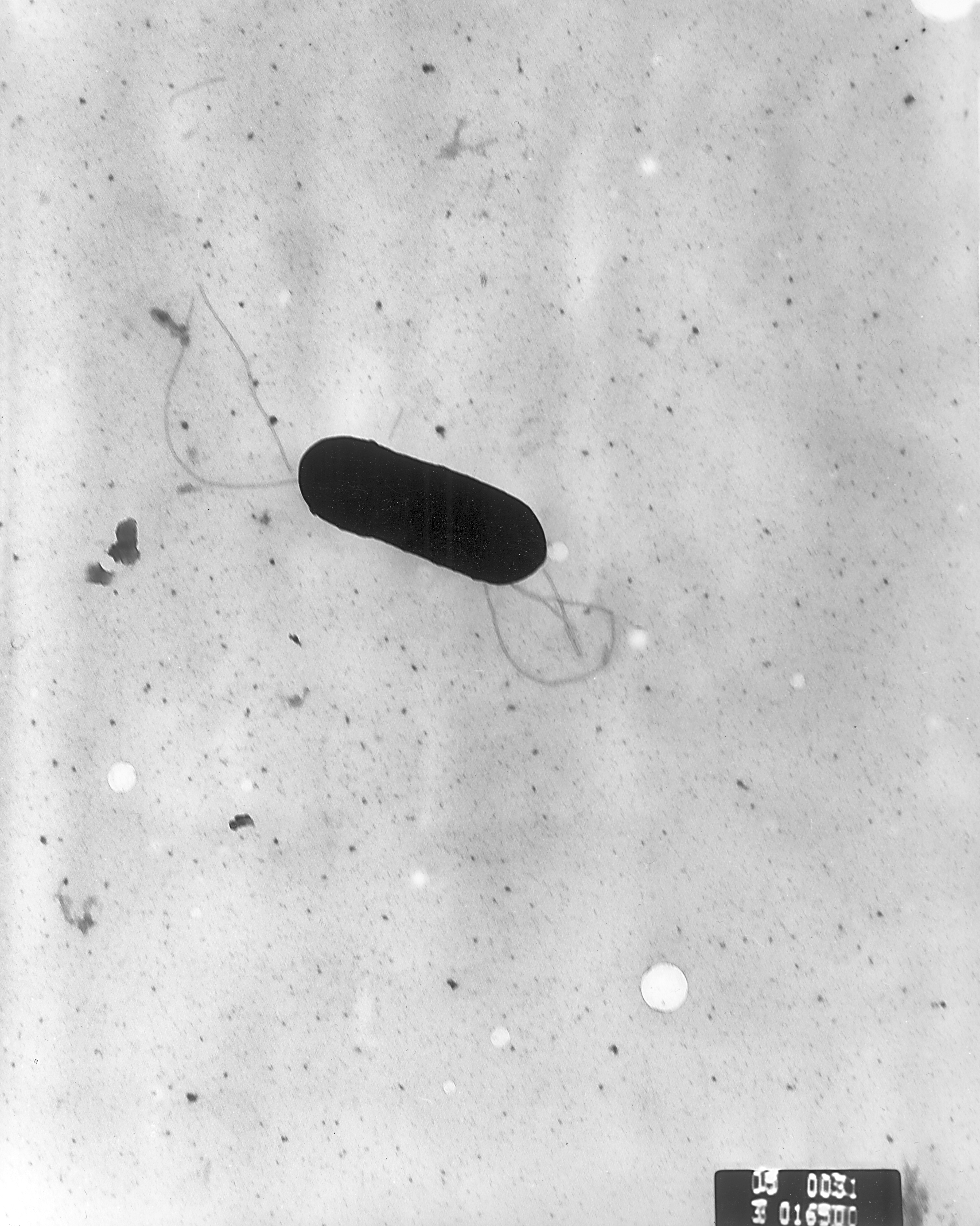
The Food and Drug Administration is currently tracking seven separate multistate outbreaks of foodborne illness that together have sickened at least 362 people, and in none of them has the agency been able to say what food is making people sick. The outbreaks, caused by Listeria, E. coli and Salmonella, appear on the FDA's own running tally of active investigations, known as the CORE outbreak table, which lists a case count, a pathogen and, when investigators have it, a product. For these seven, the product column reads "not yet identified."
The outbreaks have been building for months. The oldest, a Salmonella Oranienburg infection that has sickened 99 people, was first listed on July 8. The newest, a Listeria monocytogenes cluster with 11 confirmed cases, was opened September 30. In between, federal investigators are chasing a Salmonella Newport outbreak tied to 116 illnesses, a Salmonella strain called I 4,[5],12:i:- linked to 43 cases, a second Listeria cluster of 44 people, and an E. coli O157:H7 outbreak that has grown from 25 to 38 cases since late September, according to a tally reported this week. None has a confirmed food vehicle, a recall or a list of affected states that the public can use to protect itself.
The numbers behind the mystery
Foodborne outbreaks without an identified source are not unusual on their own. What is unusual is having seven running at once, several of them months old. By comparison, the FDA has separately traced other current outbreaks in a matter of weeks: an E. coli O26:H11 cluster was linked to Sierra Nevada Graziers raw milk cheese within days of the first interviews, leading to a recall on September 24, and a Salmonella and E. coli outbreak tied to sprout products from a Minnesota grower was identified after cases turned up in 16 states. Those successes show what is possible when a product has a short, traceable supply chain. The seven unsolved outbreaks, reported in detail by Food Safety News as the newest cluster emerged, suggest the opposite: foods that move through long, tangled supply chains and leave investigators with little more than a bacterial strain and a list of symptom-onset dates.
Why the trail goes cold
Tracing a sick person's illness back to a specific lot of a specific product is still mostly manual work. State and local health departments interview patients about what they ate in the week or two before symptoms began, laboratories match bacterial genetic fingerprints across cases, and FDA investigators then work backward through distributor invoices, often company by company, to find a common supplier. There is no national requirement yet that most foods carry the kind of scannable, lot-level data that would let investigators do this in hours instead of weeks.
A rule meant to fix exactly that problem has been delayed. Under Section 204 of the Food Safety Modernization Act, the FDA finalized a Food Traceability Rule in 2022 requiring companies that handle high-risk foods, including leafy greens, soft cheeses, sprouts and cut melons, to keep harmonized digital records they could hand investigators within 24 hours. The rule was designed, as trade press covering the rule has noted, to shrink the average outbreak investigation from roughly 35 days to five or six. It was supposed to take effect in January 2026. Instead, the FDA extended the compliance deadline by 30 months, to July 2028, after food companies and trade groups argued they needed more time, according to the agency's own notice of the extension.
Who is most exposed
The risk from these pathogens is not evenly distributed. Listeria, the bacterium behind two of the seven unsolved outbreaks, mostly sickens otherwise healthy people mildly, but it is especially dangerous for pregnant women, their newborns, adults 65 and older, and people with weakened immune systems, groups for whom the infection is far more likely to require hospitalization or turn fatal, according to federal data on who gets seriously ill. E. coli O157:H7, the strain behind the 38-case outbreak, can cause hemolytic uremic syndrome, a form of kidney failure that disproportionately strikes young children. Because none of these seven outbreaks has a named product, none of these higher-risk groups has a specific item to avoid. The only guidance available is the general advice federal health agencies give year-round: cook meat and poultry to safe internal temperatures, wash produce, keep refrigerated foods cold, and avoid unpasteurized dairy.
An industry pressing for faster answers
This year's largest foodborne outbreak, a record-setting Cyclospora cluster eventually traced to Taylor Farms produce, took roughly two months to resolve, with news organizations identifying the supplier before federal agencies confirmed it publicly. That delay pushed the produce industry's own trade group to call for change.
"IFPA is advocating for Congress and the Administration to strengthen FDA's Human Foods Program, implement end-to-end traceability, promote better risk-based oversight, and secure resources for state produce safety and compliance programs," Max Teplitski, chief science officer of the International Fresh Produce Association, said as that outbreak grew.
Food-safety advocates have raised a related but distinct complaint about the seven currently unsolved outbreaks: the FDA's table does not list which states have cases, information that, if released, could at least let residents of those states ask more pointed questions of grocers and restaurants even before a specific product is identified.
What happens next
For now, the seven investigations remain open, and the FDA's table is updated roughly weekly as new interviews and lab results arrive; case counts in three of the seven have already climbed since late September. Traceback work continues in the background, matching genetic fingerprints of bacteria from sick patients against a national database and working through supply records as they come in from retailers and distributors. Barring a breakthrough, the clearest structural fix most consumers could expect is still years away: full compliance with the digital traceability rule is not required until the summer of 2028. Until then, public health officials are relying on the same patient-interview-and-paper-trail process they have used for decades, and the public is relying on general food-safety habits rather than a product-specific recall notice.
FDA — Investigations of Foodborne Illness Outbreaks (CORE table)
Food Safety News — New Listeria outbreak under investigation
Medical Daily — FDA opens new Listeria investigation as E. coli outbreak rises from 25 to 38 cases
Produce Market Guide — What You Need to Know About the FSMA 204 Delay
Medicare Advantage Premiums Are Falling for 2027 — but the Real Cost May Not Be
Cincinnati pizzeria recalls four frozen pizza varieties over undeclared soy allergen

WinCo Foods recalls salsa bean dip trays after viral video sparks peperoncini recall