OPEC+ holds November oil output steady as Iran war strains Gulf supply
Seven OPEC+ members left combined production quotas unchanged for a second straight month, citing damaged energy infrastructure and output still running well below targets as Brent crude hovers near $100 a barrel.
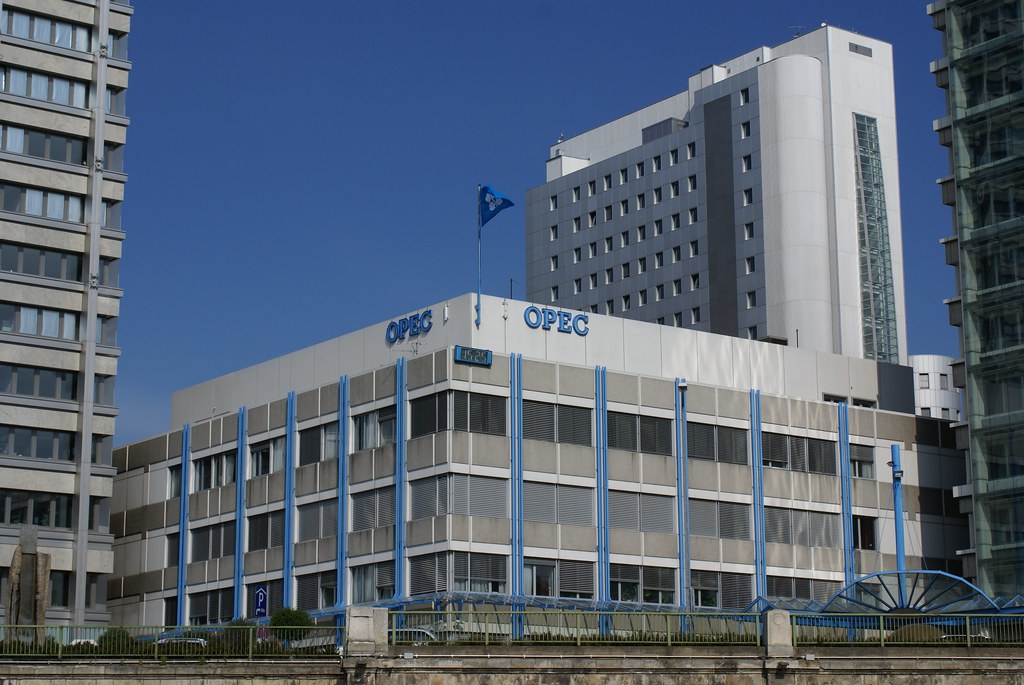
OPEC+ agreed Sunday to keep combined crude oil production quotas for November unchanged from September levels, as seven members of the alliance acknowledged that actual output continues to lag far behind targets because of ongoing damage to Gulf energy infrastructure tied to the Iran war.
Saudi Arabia, Russia, Iraq, Kuwait, Kazakhstan, Algeria and Oman agreed to hold their individual quotas steady: Saudi Arabia at 10.478 million barrels per day, Russia at 9.949 million, Iraq at 4.431 million, Kuwait at 2.676 million, Kazakhstan at 1.628 million, Algeria at 1.007 million and Oman at 841,000 barrels per day, according to Reuters reporting on the outcome of an online meeting of the group's Joint Ministerial Monitoring Committee.
It is the second consecutive month the alliance has frozen headline targets rather than proceeding with further increases, after years of gradually unwinding more than 1.6 million barrels per day of collective output cuts first imposed in 2023. Delegates said the committee "reiterated its collective commitment to achieve full conformity" with existing production agreements, and production data tracked independently by the U.S. Energy Information Administration shows overall Gulf output running well below the quotas the group has nominally approved.
The shortfall traces largely to disruption along the Strait of Hormuz and direct strikes on energy infrastructure since fighting between Israel and Iran escalated earlier this year. The monitoring committee said "restoring damaged assets is both costly and takes a long time," a signal that the group expects the supply gap to persist for months. A tanker was reported struck by fire in the strait on Sunday, even as analysts noted Gulf exports have been gradually climbing again despite the continued conflict.
Rather than adjust near-term targets further, OPEC+ leadership is shifting its attention toward setting 2027 production baselines and future quota parameters, effectively acknowledging that the current monthly target-setting exercise has limited bearing on actual Gulf supply while the conflict continues.
Oil prices have been volatile heading into the decision. Brent crude has traded in a wide band approaching $100 a barrel on war-related supply fears, a level reflected in the Energy Information Administration's own Short-Term Energy Outlook, and the Group of Seven has separately announced plans to release up to 100 million barrels from emergency strategic reserves. The U.S. Treasury has separately touted sanctions pressure on Iran in recent press releases detailing its enforcement actions, part of a broader squeeze that has coincided with the Gulf supply disruptions feeding into OPEC+'s calculus.
For consumers, the practical effect is that oil markets remain exposed to further price spikes if Strait of Hormuz shipping is disrupted again, even though OPEC+'s official output ceiling continues to rise on paper. Energy analysts say the gap between stated quotas and real production will remain the key variable to watch heading into the group's next full ministerial review.

U.S. layoffs hit four-year September low, but employers aren't hiring to match

Paramount-Warner Bros. Discovery merger clears final hurdle, to close this week as Skydance Corporation

EchoStar's DISH DBS Unit Emerges From Bankruptcy, Cutting $4.35 Billion in Debt
