Cincinnati pizzeria recalls four frozen pizza varieties over undeclared soy allergen
Saint Francis Apizza LLC pulled its Pepperoni, Plain Cheese, Supreme and Mushroom and Onion frozen pizzas after finding that labels omitted soy, a federally designated major allergen. No illnesses have been reported.
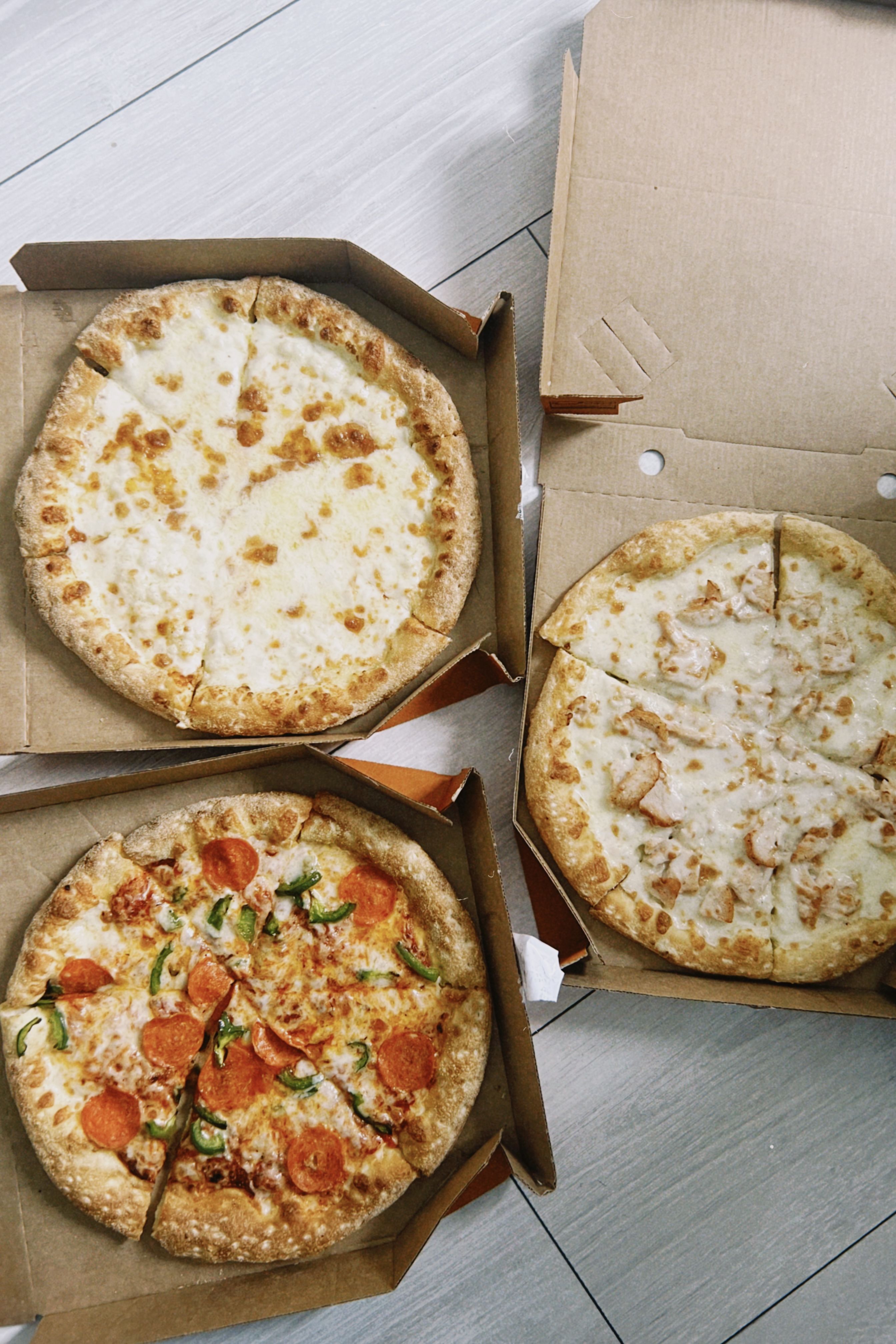
A small Cincinnati pizza maker is recalling four varieties of its frozen pizzas after discovering that its packaging failed to disclose soy, one of nine ingredients the federal government classifies as a major food allergen. Saint Francis Apizza LLC announced the recall on October 1, and the Food and Drug Administration posted the company's recall notice two days later.
No illnesses linked to the pizzas have been reported, the company said. But for people with soy allergies or severe sensitivities, eating the products carries the risk of a reaction that can be serious or, in rare cases, life-threatening.
What was recalled
The recall covers four frozen pizza varieties sold under the Saint Francis brand: Pepperoni, Plain Cheese, Supreme, and Mushroom and Onion. According to the recall notice, the pizzas contain soybean oil and soy lecithin as sub-ingredients that were omitted from the label — an error that makes the products misbranded under federal rules even though soy itself poses no risk to most consumers.
The notice does not list specific lot or batch numbers, which means the recall effectively applies to all packages of the four varieties distributed through the retailers named by the company. Saint Francis Apizza has not disclosed how many units are affected, and representatives did not respond to requests for additional detail beyond the company's published statement.
Where the pizzas were sold
Unlike recalls that move through national grocery chains, this one ran through a small network of independent delis, cheese shops and specialty grocers in the Cincinnati and Dayton, Ohio, areas and across the river in northern Kentucky, plus direct online orders. The FDA notice lists the following points of sale:
- ETC Produce and Provisions, two locations in Cincinnati, Ohio
- Daylily Deli, Cincinnati, Ohio
- Harvest Market, Milford, Ohio
- Boards and Beez, Cincinnati, Ohio
- Madison's at Findlay Market, Cincinnati, Ohio
- Urban Stead Cheese, Cincinnati, Ohio
- The Farm on Central, Carlisle, Ohio
- Tony and Pete's, Dayton, Ohio
- Taste Cellar and Pantry, Fort Thomas, Kentucky
- Golden Gelato, Covington, Kentucky
- Online sales through cincyfavorites.com
That footprint means the recall, while geographically narrow, reached a cluster of shoppers who buy from farmers-market vendors and small producers precisely because they expect closer scrutiny of ingredients — a point consumer advocates say makes accurate labeling by small manufacturers just as important as it is for national brands. Several of the listed retailers, including Findlay Market and ETC Produce and Provisions, are fixtures of Cincinnati's independent food scene and carry a mix of locally made goods alongside conventional grocery items, meaning regular customers may not think to check a federal recall database the way they might after a supermarket chain recall makes national news.
Why soy labeling matters
Soy is one of nine foods that producers are legally required to flag under the Food Allergen Labeling and Consumer Protection Act, a 2004 law that set the current national standard for allergen disclosure. The statute requires that a food's label identify, in plain language, any major allergen used in the product or any of its ingredients — either in parentheses next to an ingredient like "lecithin (soy)" or in a separate "Contains" statement.
The FDA's own consumer guidance on food allergies notes that reactions can range from mild hives or digestive upset to anaphylaxis, a rapid-onset reaction that can be fatal without prompt treatment. Soy allergy is less commonly discussed than peanut or tree nut allergies, but soybean derivatives such as lecithin and oil are used widely as processing aids in baked goods, sauces and cheese blends, which is part of why undeclared soy shows up periodically in recalls tied to misbranding rather than contamination.
Labeling gaps like the one behind this recall are not rare. Industry and agency tallies compiled over the past decade have repeatedly found that undeclared allergens — not bacteria, viruses or foreign objects — are the single most frequent reason the FDA issues a food recall in any given quarter, a pattern driven largely by small wording errors on packaging rather than contamination in the plant. Soy, milk, egg, wheat, peanuts, tree nuts, fish, crustacean shellfish and sesame make up the nine foods Congress designated as major allergens, and federal law requires each one to be called out by name whenever it appears in a packaged food sold in the United States, no matter how small the manufacturer.
Advocacy groups such as Food Allergy Research & Education estimate that millions of American adults and children live with at least one diagnosed food allergy, and clinicians who treat them routinely advise patients to re-read labels on familiar products every time they buy them, since manufacturers can change formulations or suppliers without warning. A recall like this one is, in effect, the system working as designed: a company catches its own labeling error, reports it, and the FDA publicizes the correction so affected consumers can act before anyone is harmed.
"People who have an allergy or severe sensitivity to soy run the risk of a serious or life-threatening allergic reaction if they consume these products," the company said in its FDA-posted recall announcement. "Individuals exhibiting signs or symptoms of an allergic reaction should contact a physician immediately."
Who is affected, and what comes next
Saint Francis Apizza is asking anyone who bought the recalled Pepperoni, Plain Cheese, Supreme or Mushroom and Onion pizzas to either throw them away or bring them back to the company for a full refund. Customers with questions have been directed to call the company directly rather than the stores where the pizzas were purchased, since the retailers named in the notice were selling the product on the manufacturer's behalf.
Local outlets in the region, including Hoodline, Local 12 WKRC and Dayton 24/7 Now, reported on the recall after the FDA notice went up, each confirming the list of affected stores and the company's refund process. None reported any confirmed allergic reactions as of their publication.
As with most allergen-related recalls that involve misbranding rather than contamination, the FDA is not expected to take further enforcement action beyond publishing the notice unless new complaints or illness reports emerge. The agency relies on companies to voluntarily pull mislabeled product and notify retailers, and it does not independently verify that every affected package has been removed from shelves or refrigerators.
Consumers who are unsure whether they purchased one of the affected pizzas are advised to check their freezer for any Saint Francis-branded Pepperoni, Plain Cheese, Supreme or Mushroom and Onion pizza purchased from the listed retailers or ordered online, and to treat any product without a clear soy disclosure on the label as part of the recall. Anyone who develops hives, swelling, difficulty breathing or other allergic symptoms after eating the product should seek medical care immediately and can also report the reaction to the FDA through its MedWatch safety reporting program.
Medicare Advantage Premiums Are Falling for 2027 — but the Real Cost May Not Be
FDA Is Chasing Seven Food Poisoning Outbreaks With No Known Cause

WinCo Foods recalls salsa bean dip trays after viral video sparks peperoncini recall