As the worst flu season in years ends, federal vaccine advice stalls and others step in
The CDC is closing the books on a flu season that killed 190 children, even as it carries over last year's shot guidance unchanged into the new season. Pediatricians, a vaccine-safety watchdog and major pharmacy chains are filling the gap this week with their own advice: get vaccinated now.
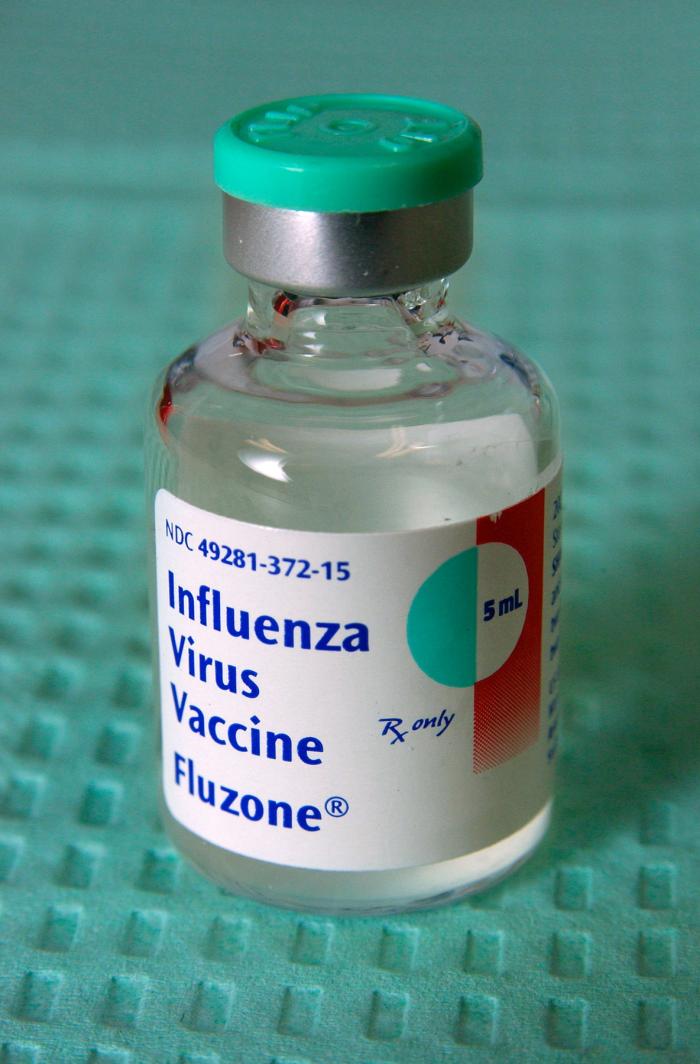
This week marks an unusual handoff in American public health. The Centers for Disease Control and Prevention's own tally of the 2025-26 influenza season, one of the most severe in a generation, is giving way to a new season that begins without the kind of refreshed federal vaccine advice that usually accompanies it. Into that gap have stepped pediatricians, a university-based vaccine-safety watchdog and the country's biggest drugstore chains, independently telling Americans much the same thing this week: get a flu shot now, before the virus starts circulating in earnest.
The numbers behind a brutal season
In its final full weekly report of the season, the CDC estimated at least 32 million illnesses, 390,000 hospitalizations and 24,000 deaths nationwide, with the H3N2 strain driving most of the season before influenza B viruses took over in its final weeks. The toll on children was especially heavy: the agency had logged 174 pediatric deaths by late May, a figure the American Academy of Pediatrics says has since climbed to 190 as delayed reports continued to arrive, making it one of the deadliest seasons for children in decades. Roughly 85 percent of the children who died had not been fully vaccinated, the AAP noted, even though barely half of children ages 6 months through 17 years, 49.4 percent, got a flu shot at all last season — a rate essentially unchanged from the year before.
How a guidance gap opened up
Updated flu-shot recommendations normally flow from the CDC's Advisory Committee on Immunization Practices each late summer. This year that process stalled: in its interim clinical guidance for 2026-27, the CDC said that because of legal uncertainty surrounding the committee's own composition and authority, the influenza recommendations adopted in July 2025 would simply carry over unchanged rather than being revised to reflect the past season's toll or a significant new vaccine option that reached the market over the summer. The vacuum helped push a group of physicians calling itself the Vaccine Integrity Project, housed at the University of Minnesota and formed amid the broader upheaval at the CDC's vaccine advisory panel, to coordinate with outside medical societies on guidance of their own, according to reporting from infectious-disease researchers who track the committee's work.
The vaccines themselves also changed shape this year. Because an H3N2 subclade that spread widely last season drifted from older vaccine strains, regulators updated all three components of this year's shots, and the CDC's own season page notes the agency will shift to a streamlined weekly surveillance format just as the new season opens. Separately, the FDA in August cleared mFLUSIVA, Moderna's first mRNA-based flu vaccine, for adults 50 and older, months after a since-departed FDA official briefly refused to even review the application — full approval for ages 50 to 64 rested on a 40,805-person trial showing 26.6 percent fewer flu cases than a standard-dose comparator, while adults 65 and older received accelerated approval based on a smaller immune-response study.
"The need for science-based guidance has not gone away. Influenza, SARS-CoV-2, and RSV will circulate again this fall and winter," said Bruce Gellin, board chair of the Vaccine Integrity Project.
Who is affected, and who is weighing in
With the CDC's own list unchanged, the AAP's updated policy — published online in August and in the September issue of Pediatrics — recommends vaccination for essentially every child without a medical exemption, a broader stance than the narrower, risk-based federal list. The groups most directly affected by the guidance gap include parents of infants and young children, now relying on pediatric societies rather than federal recommendations for a clear "everyone should get this" message; adults 50 and older, who for the first time have an mRNA flu-shot option alongside the usual standard-dose and high-dose shots; pregnant and breastfeeding people, for whom the AAP separately reiterated a vaccination recommendation; and pharmacy chains and insurers, who are marketing and covering updated shots on their own timelines regardless of what Washington says.
"We know they are safe in children and they can prevent not just hospitalizations and death but every year they prevent a substantial number of illnesses," said Dr. Kristina A. Bryant of the AAP's Committee on Infectious Diseases, in the group's announcement of the new recommendations.
Retailers, meanwhile, are not waiting on Washington either. CVS Health said in late August that updated flu vaccines were already available at its pharmacies and MinuteClinic locations nationwide, and a company survey found 63 percent of Americans say they're likely to get a flu shot this season, roughly matching the prior two years, with 68 percent of those planning to be vaccinated saying they'd do so by the end of October. Walgreens has likewise rolled out shots across its retail locations.
What happens next
Public-health officials across the political spectrum agree on the timing, even if they disagree on who should say so: September and October remain the window in which a flu shot does the most good, well ahead of the virus's typical December-to-February peak. Local health reporting following the AAP's announcement noted that pediatricians are bracing for another tough season if vaccination rates don't improve, given how closely last year's child deaths tracked with unvaccinated status. Whether the CDC's own advisory committee will catch up with a formal, revised recommendation before flu activity picks up this winter remains an open question — one that, for now, has left outside physicians' groups, a watchdog project and the nation's pharmacy counters doing much of the messaging that would normally come from the government itself.

Stewart's Shops Recalls Two Ice Cream Flavors After Metal Found in Carton

Frozen berry recall reaches Trader Joe's as Chilean supplier's E. coli traceback widens

Walmart Recalls 4.4 Million Grill Brushes as Wire-Bristle Hazard Recalls Multiply
