Trump Returns to South Carolina as a Senate Seat Republicans Thought Was Safe Turns Competitive
Thirteen days before the midterms, President Trump campaigned for Sen. Darline Graham in a state he carried by 18 points, as polls show her race against Democrat Annie Andrews within single digits and national Republicans rush in late money.
President Donald Trump traveled to Clemson, South Carolina, on Wednesday evening to campaign for Sen. Darline Graham, an appointed incumbent whose bid to keep the seat for a full term has become unexpectedly competitive just 13 days before a general election in a state Trump carried by nearly 18 points two years ago. The visit, confirmed in advance by the Republican National Committee, was Trump's second in-person appearance for Graham since August and came as national Republican strategists quietly moved money into a race few expected to need it.
Graham, 61, was appointed to the Senate in July by Gov. Henry McMaster after the death of her older brother, longtime Sen. Lindsey Graham, and is now running to hold the seat through 2032. Her Democratic opponent, Dr. Annie Andrews, a Charleston pediatrician, has pulled within single digits — and in some polls within the margin of error — of a Republican in a state where statewide Democratic wins are rare.
A Race That Was Not Supposed to Be Close
Public polling through the fall has shown the contest tightening well beyond what either party anticipated when the seat opened. A Trafalgar Group survey of 1,087 likely voters taken September 23–25 put Graham at 43.4 percent and Andrews at 42.3 percent, with 8.5 percent undecided and a margin of error of roughly 2.9 points, even though nearly six in ten respondents identified as Republican. A separate InsiderAdvantage poll taken days later showed an almost identical one-point spread, 46 percent to 45 percent.
The numbers rattled national Republicans enough that the Senate Leadership Fund, the party's main Senate super PAC, announced in early October that it would direct $5 million into South Carolina — money one Republican briefed on the plan described to reporters as an "insurance policy" rather than a sign of panic. The commitment came days after the same group pulled back spending in North Carolina to redirect resources, and after Trump's own super PAC, MAGA Inc., had already poured $827,711.11 into text and phone outreach for Graham on the eve of her August primary runoff, according to a Federal Election Commission filing.
South Carolina has not elected a Democrat to the Senate since 1998, and Trump defeated Kamala Harris there by roughly 18 points in 2024. Republican officials have continued to say they expect to hold the seat, but the scale of outside spending and the frequency of presidential visits — a tele-rally in mid-October, an August appearance in Myrtle Beach, and Wednesday's event in Clemson — point to real concern inside the party two weeks before Election Day.
From Family Tragedy to the Ballot
The seat's unusual path to the ballot begins with the sudden death of Lindsey Graham, who had represented South Carolina in the Senate since 2003 and was already the Republican Party's nominee for a new term when he died of an aortic dissection on July 11. Two days later, Gov. Henry McMaster appointed Darline Graham, the senator's younger sister and, since 2019, commissioner of the South Carolina Commission for the Blind, to fill the vacancy until a new Congress convenes in January. She was sworn in the next day, becoming the first woman to represent South Carolina in the Senate.
Because her brother had already secured the GOP nomination, state Republican rules required a separate process to pick a replacement candidate for the November ballot. Darline Graham entered a ten-way special primary and, after a runoff on August 25, defeated U.S. Rep. Ralph Norman to become the party's nominee for the seat's next six-year term — a campaign for a job she had held for barely six weeks.
Andrews, who ran unsuccessfully for a U.S. House seat in 2022 and has spent 15 years practicing pediatric medicine in the Lowcountry, built her campaign around the cost of health care, prescriptions and child care, telling voters after Graham's death that "her fight is for you and your family." The two met in their only scheduled debate on October 11 at South Carolina ETV's studios in Columbia, where Graham accused Andrews of being unwilling to break with "socialist Democrats" in her party and Andrews countered that the attack was a predictable deflection. Libertarian candidate Kasie Whitener also took part.
"I'm in this race to fight for my patients, my three kids, and South Carolina," Andrews said in a statement responding to the president's attacks on her.
Closing Arguments Turn Personal
The campaign's final stretch has been marked by increasingly personal exchanges. Andrews has pressed Graham to explain business ties involving her family that Andrews says were omitted from financial disclosure forms; Graham has responded that her husband's employer sells children's toys and that he holds no ownership stake in the company. Trump, for his part, has repeatedly disparaged Andrews in social media posts and in a paid ad from the Security Is Strength PAC, drawing a rebuke from Andrews's campaign, which called the president's language "not presidential" without directly engaging it.
On an October tele-rally with Graham, South Carolina Attorney General and gubernatorial nominee Alan Wilson, and 1st District nominee Jenny Costa Honeycutt, Trump called the midterms "the most important midterm election of our lives" and told South Carolina voters to "pretend I'm on the ballot, because essentially I am on the ballot." He described Andrews as "a radical left lunatic," language Andrews's campaign did not directly address, instead reiterating her focus on cost-of-living issues that a separate statewide civic initiative, the SC Forum, found were the top concern among more than 45,000 South Carolinians surveyed this fall.
Rep. James Clyburn, the state's senior Democrat in Congress, offered a pointed welcome to Graham when she was first appointed, noting in a statement from his office that he hoped she would serve independently of the brother she succeeded. Republicans close to the race, meanwhile, have pointed to South Carolina's 2020 Senate contest — when early polling also showed a close race between Lindsey Graham and Democrat Jaime Harrison before Graham won by ten points — as reason for caution in reading the current numbers.
What's Next
Early voting in South Carolina began October 19 and runs through October 31, with centers open 8:30 a.m. to 6 p.m. Monday through Saturday, according to the State Election Commission. The general election is November 3. A Graham loss would be among the most significant Democratic upsets of the midterm cycle, flipping a seat Republicans have held continuously since Lindsey Graham first won it in 2002 and testing whether rising affordability concerns can move voters in one of the most reliably conservative states in the country. A Graham win, by contrast, would let Republicans argue that national polling tightness in deep-red states reflects noise rather than a genuine shift — an argument the party's own spending decisions suggest it is not yet ready to make with confidence.

Ramaswamy ad featuring Acton's estranged mother draws rare Republican rebuke in Ohio governor's race
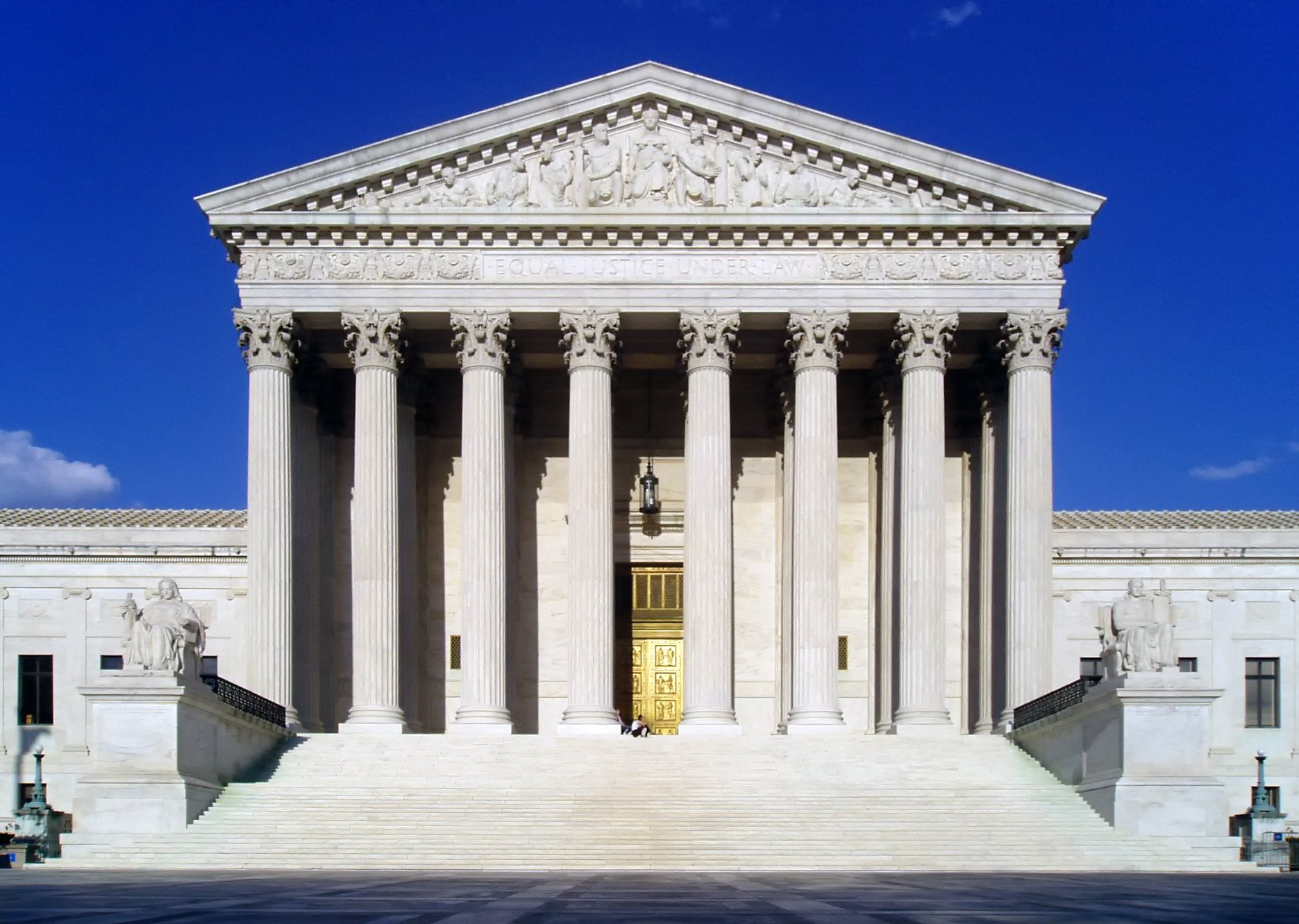
Supreme Court Leaves Block on Trump Transgender-Inmate Policy in Place

Justice Department launches $25 million fraud-tip program, with Trump as self-declared final arbiter
