Supreme Court Leaves Block on Trump Transgender-Inmate Policy in Place
The justices denied an emergency request to let the Bureau of Prisons halt gender-transition care for federal inmates while litigation continues.
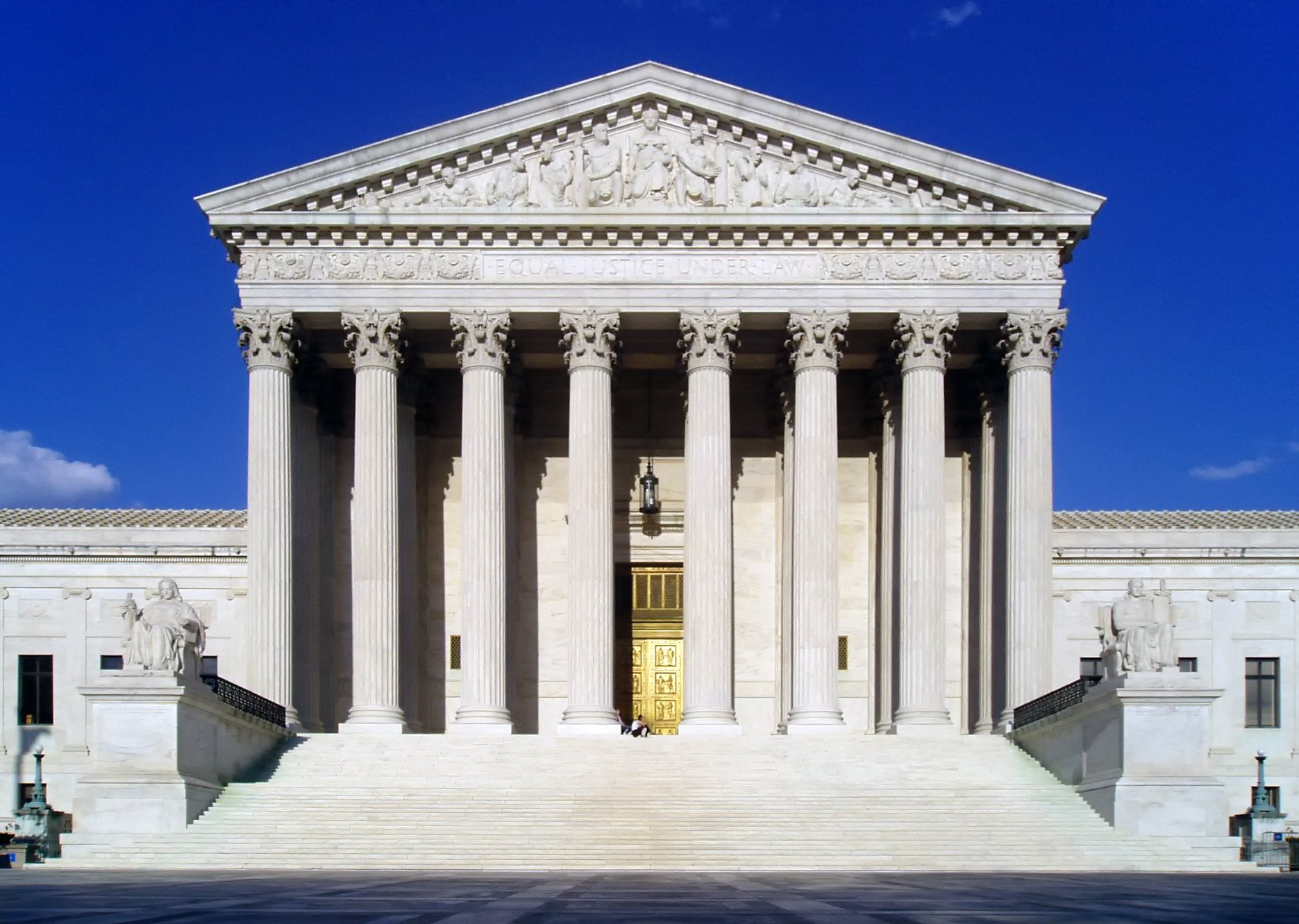
The Supreme Court on Wednesday declined to let the Trump administration enforce a Bureau of Prisons policy that would have stripped transgender federal inmates of hormone therapy and other gender-related medical care, leaving a lower-court injunction in place while the underlying lawsuit continues. The order came in the court's docket for No. 26A416, Trump v. Kingdom, an emergency application the government filed in September.
The one-paragraph, unsigned order gave no reasoning, as is typical on the court's emergency docket. Justices Clarence Thomas and Samuel Alito noted they would have granted the stay, meaning the denial was not unanimous but drew no other recorded dissent.
How the case got here
The dispute traces to Kingdom v. Trump, a class action brought on behalf of an estimated 1,000 to 2,000 federal inmates who identify as transgender, according to figures cited by the ACLU and NBC News. U.S. District Judge Royce Lamberth found the Bureau of Prisons' 2026 policy likely unlawful and issued a preliminary injunction barring its enforcement, building on an earlier order in the case. The policy would have ended gender-affirming surgeries, tapered inmates off hormone treatment and discontinued accommodations such as access to gender-specific clothing items, while leaving mental health services in place, according to the respondents' opposition brief filed with the Court.
A divided panel of the U.S. Court of Appeals for the D.C. Circuit declined to freeze Lamberth's order, prompting the Justice Department to ask the Supreme Court to step in. The government argued the policy fell within its authority over prison medical care; the plaintiffs, backed by amicus briefs including one from a coalition of states, argued it would cause irreversible harm.
The Boston Globe and NBC News both reported the denial within hours of the order's release, and CNN described it as a rare loss for the administration on the court's shadow docket, where the government has prevailed in most emergency applications this term.
What it does not decide
Wednesday's order resolves nothing about the policy's ultimate legality. It simply keeps Lamberth's injunction operative while the case proceeds through the ordinary appellate process, meaning the Bureau of Prisons must continue providing the care at issue for now. The Justice Department can still pursue its appeal at the D.C. Circuit on the merits, and either side could return to the Supreme Court once that appeal is resolved.

Ramaswamy ad featuring Acton's estranged mother draws rare Republican rebuke in Ohio governor's race

Justice Department launches $25 million fraud-tip program, with Trump as self-declared final arbiter
Trump Returns to South Carolina as a Senate Seat Republicans Thought Was Safe Turns Competitive
