Supreme Court Opens New Term With a Climate Liability Showdown
Justices hear argument Monday in a Boulder, Colorado lawsuit against Exxon and Suncor that could decide the fate of dozens of similar climate-damage suits pending against the oil industry nationwide.
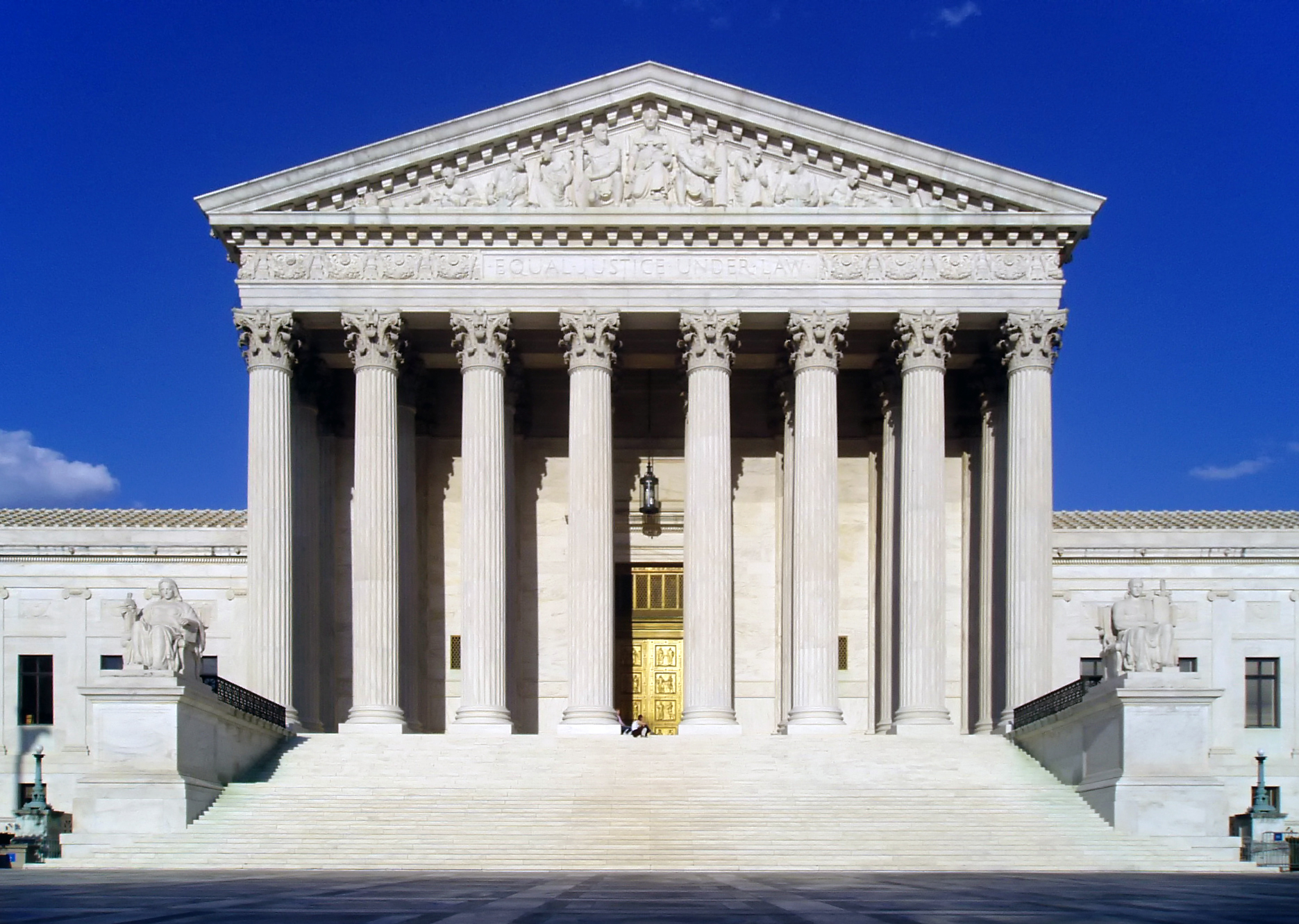
The Supreme Court opens its 2026-27 term on Monday with oral argument in Suncor Energy (U.S.A.) Inc. v. County Commissioners of Boulder County, a case that could decide whether any of the dozens of damage suits that cities and states have filed against the oil industry over climate change can keep moving through American courts. The justices are scheduled to hear the case first on the court's opening day, a scheduling choice set in early August, ahead of a slate of seven cases over five argument days this month.
A climate case opens the term
The underlying dispute dates to 2018, when the city and county of Boulder, Colorado, sued ExxonMobil and Suncor Energy, accusing the companies of concealing for decades what they knew about the climate risks of burning fossil fuels while continuing to market and sell their products. Boulder is not asking the court to regulate emissions; it wants money to cover costs it says it has already incurred from extreme heat, drought and wildfire risk tied to a warming climate, a distinction that has shaped the litigation at every stage.
Boulder's case won at every stage in Colorado's courts. The state Supreme Court ruled in 2025 that federal law does not preempt Boulder's claims, finding the suit sounds in ordinary tort law over corporate deception rather than an attempt to set emissions policy. Suncor and ExxonMobil appealed, and the U.S. Supreme Court agreed in February to hear the case, directing the parties to also brief whether the court even has jurisdiction to decide it. Local officials in Boulder confirmed Monday's argument will run from 10 a.m. Eastern, with audio carried on the court's own live-argument page.
How the fight escalated
Boulder's lawsuit is one of more than two dozen similar claims that state and local governments have filed against fossil-fuel companies over roughly the past decade, a wave of litigation that lawyers on both sides compare to the tobacco suits of the 1990s, according to reporting from Inside Climate News. The oil companies argue that letting any single jury award damages over a global phenomenon like climate change would expose the industry to inconsistent, potentially ruinous verdicts across dozens of courtrooms; Boulder and its allies counter that the claims are about fraud and deception, not interstate pollution.
The case has drawn an unusually large bench of outside interests. According to the court's own docket, the Solicitor General's office filed briefs on behalf of the federal government at both the certiorari and merits stages and was granted a share of argument time alongside the oil companies' lawyers. Twenty-six states led by Alabama filed in support of the companies, while Colorado and 18 other states backed Boulder. Sitting lawmakers weighed in directly, too: House Majority Leader Steve Scalise and Sen. Ted Cruz of Texas filed on the industry's side, while Sen. Sheldon Whitehouse of Rhode Island, a longtime advocate for climate litigation, filed in support of Boulder.
Justice Samuel Alito will not take part. The docket shows he notified the clerk on Sept. 28 that he would "not continue to participate in this case," after years of criticism over his personal stock holdings in oil and mining companies, including ConocoPhillips, that could be affected by the ruling's reach into similar suits.
Dozens of governments — and the industry — have a stake
A ruling against Boulder would not just end that one case; lawyers tracking the litigation say it would likely doom or badly weaken the two dozen or more pending suits brought by other cities, counties and states, from coastal communities facing sea-level rise to Western towns citing wildfire costs. A ruling for Boulder would instead clear the way for those cases, and others likely to follow, to proceed to discovery and trial in state courts, where juries rather than federal judges would ultimately weigh the companies' conduct.
The stakes extend beyond the plaintiffs. Suncor, ExxonMobil and other major producers face potential exposure not just in Colorado but wherever similar suits are pending, and insurers, shareholders and the broader industry are watching closely. For residents of Boulder and the other jurisdictions that have sued, the outcome could determine whether local governments can use their own courts and budgets to shift climate-adaptation costs onto the companies whose products they say contributed to the damage.
What legal scholars expect, and what comes next
Legal scholars have cautioned the court could avoid the big preemption question altogether. Columbia Law School's Michael Gerrard told the nonprofit newsroom the justices might instead rule the case came to them prematurely, since Colorado courts have not yet held a trial or set damages. Vermont Law School's Pat Parenteau said a ruling on the merits could be "incredibly consequential," with implications reaching "way beyond climate" into other mass-tort litigation.
The intensity of the disagreement was visible even before the case left Colorado's courts. In a dissent from the state Supreme Court's 2025 ruling, Justice Carlos Samour wrote:
"We are but one indivisible nation. Yet, the majority in this case gives Boulder, Colorado, the green light to act as its own republic."
Kathy Mulvey of the Union of Concerned Scientists, which backs Boulder, called the companies' push for Supreme Court review "a last-ditch effort to block evidence of the fossil fuel industry's decades of deceit from being heard in courtrooms," while the American Association for Justice argued the suit "will not result in ruinous liability for the fossil fuel industry."
No immediate ruling is expected. The Supreme Court typically issues its most closely watched decisions by the end of its term next June, meaning Boulder, the oil companies and the dozens of other governments with similar suits pending are likely to wait months to learn whether their cases can proceed — or whether federal law closes the courthouse door on climate damage claims entirely.

Cruz and Vance trade public barbs over 2028 ambitions as midterms near

Environmental Groups Sue Trump Administration Over Rollback of Car Mileage Standards

Trump administration to send $90 Medicare rebate to 20.8 million seniors a month before midterms
