Flu hospitalizations climb sharply nationwide as Thanksgiving travel approaches, CDC data show
The CDC's latest weekly surveillance report shows flu hospital admissions, test positivity and pediatric deaths all rising faster than usual this season, with state health officials urging vaccination before holiday gatherings begin.
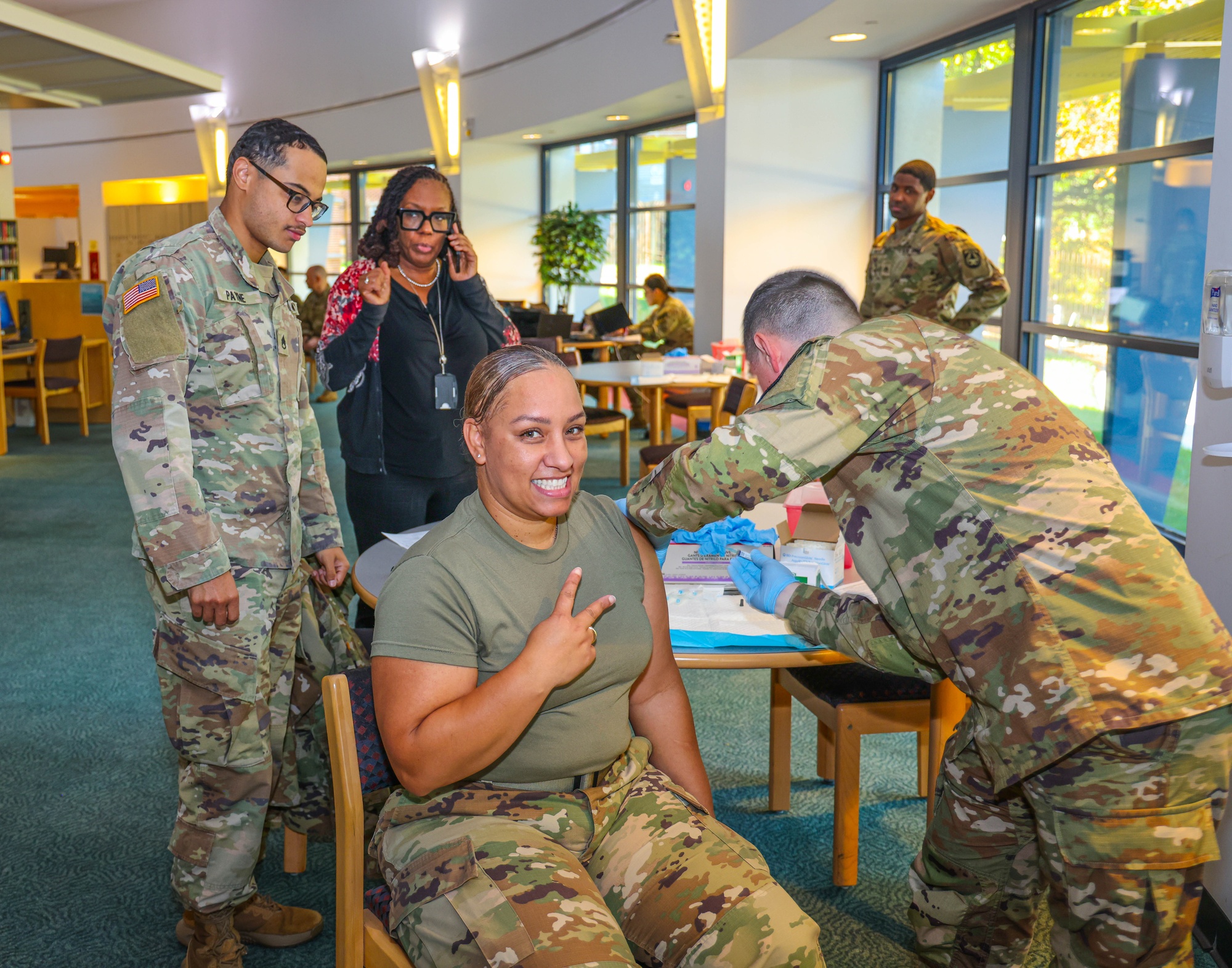
Flu hospital admissions in the United States climbed sharply in the first week of November, according to the Centers for Disease Control and Prevention's weekly influenza surveillance report released Nov. 13, with the season arriving earlier and running hotter than it has in several years, just as tens of millions of Americans prepare to travel for Thanksgiving.
The CDC's FluView report, which tracks the week ending Nov. 7, recorded 9,584 laboratory-confirmed flu hospital admissions nationwide, up from 8,396 the week before and more than 50 percent higher than the tally from two weeks earlier. The national hospital admission rate rose to 2.8 per 100,000 people, and the share of flu tests coming back positive climbed to 11.3 percent, up from 9.1 percent a week earlier and 7.6 percent the week before that.
A season arriving ahead of schedule
Taken together, the agency's weekly reports show a season that has accelerated steadily since late October. The CDC now estimates at least 2.6 million illnesses, 36,000 hospitalizations and 2,100 deaths from flu so far this winter, up from roughly 1.7 million illnesses, 25,000 hospitalizations and 1,400 deaths the week before, and from 1 million illnesses, 16,000 hospitalizations and 900 deaths two weeks before that. Five children have died of flu this season, including two added in the latest report; by comparison, the 2025-26 season's final pediatric death toll was 203.
The rate of increase has been unusually steep for this point in the calendar. The CDC's sentinel hospital network, which tracks a sample covering roughly 10 percent of the U.S. population, recorded the highest hospitalization rate for this particular week of the year since the 2010-11 season, before activity accelerated further the following week. The dominant strain this year is H1N1, which made up 97.7 percent of subtyped influenza A viruses tested by public health laboratories, the CDC said. The agency's own FluSight forecasting model, which pools projections from 36 modeling groups into a single ensemble, predicts admissions will keep rising through the week ending Nov. 28, with a likely range of 8,300 to 34,400 new hospital admissions that week. The CDC still classifies overall severity as low for all age groups, a preliminary rating the agency says could change as the season progresses. It has repeatedly cautioned that an early rise in activity "does not necessarily lead to a higher seasonal peak or greater overall severity."
Hot spots from the West Coast to the Gulf
Activity is not evenly distributed. States reporting high or very high flu-like illness activity in the latest week include California, Louisiana, Oregon, South Carolina, Tennessee, Texas and Washington, according to the CDC data, while Colorado, Florida, Hawaii, Idaho, Massachusetts, New Jersey, New Mexico, New York and Puerto Rico are reporting moderate activity. Hospitalization rates are highest among adults 65 and older, at 7.9 admissions per 100,000, compared with 2.4 for adults 50 to 64 and 2.3 for children under 5, the age groups most likely to be hospitalized or to suffer complications.
The strain on state health systems is visible well beyond the biggest outbreak states. In Montana, officials reported this month that influenza has killed three residents and sent 96 people to the hospital this season, compared with four hospitalizations and no deaths reported at the same point last year, according to the Daily Montanan. All three deaths occurred in November. Of the Montanans hospitalized with flu this season, 75 percent had not been vaccinated or had an unknown vaccination status, state health officials said.
"The same precautions that protect against flu also protect against COVID-19, pneumonia and RSV. Prioritize your immunizations, wash your hands, clean frequently touched surfaces, stay home when sick, and seek testing and treatment early," said Douglas Harrington, director of Montana's Department of Public Health and Human Services.
What comes next for holiday travelers
The timing is awkward for a holiday built around indoor gatherings and long-distance travel. Flu vaccines take roughly two weeks to produce the antibodies that provide protection, the CDC notes in its guidance on seasonal flu vaccination, which means a shot given in mid-November would not reach full effectiveness until after Thanksgiving itself but would still be in place for the longer run of holiday gatherings through Christmas and New Year's. Separate reporting on the latest CDC figures, published Nov. 15 by Medical Daily, noted that lab test positivity has now risen in three consecutive weekly reports and that pediatric deaths, while still low in absolute terms, are accumulating earlier than in recent seasons.
Public health officials are not describing the season as a crisis. The CDC's own severity rating remains low, and hospital admission rates, while rising quickly week to week, are still a fraction of the levels seen during the worst recent seasons, including the 2025-26 season that ultimately produced an estimated 32 million illnesses and 380,000 hospitalizations before it was over. But the trajectory — three straight weeks of rising admissions and test positivity, arriving roughly two to three weeks earlier than typical seasonal peaks — is prompting state and local health departments to repeat standard advice before the holiday travel period begins in earnest: get vaccinated if not already, wash hands frequently, and stay home when symptomatic rather than traveling or gathering with relatives, particularly those over 65 or under 5, the two groups most likely to be hospitalized.
For people who have not yet had a flu shot this fall, health officials say it is still worth getting one even this close to the holiday: a single dose still typically covers the full winter season, and partial protection generally builds in the days before the two-week mark. Standard guidance for travelers this year does not differ from past seasons — wash hands often, carry hand sanitizer for travel through airports and rest stops, avoid sharing food or drinks at gatherings, and keep sick household members, including children with mild symptoms, away from relatives who are older or medically vulnerable.
The CDC is scheduled to publish its next weekly FluView update on Nov. 20, days before the start of the Thanksgiving travel period, when it will show whether admissions are tracking toward the lower or higher end of the agency's forecast range.

Thanksgiving Travel Set to Dip Slightly as Gas and Airfare Prices Hit Records

FDA recalls Brad's kale and veggie chips after thallium found in tested samples

New York dairy recalls all raw cheddar cheese over Listeria risk, second recall in a month