A child's measles death in rural New York is the state's first in 30 years
A child in Lewis County died after contracting measles, Gov. Kathy Hochul announced, the first measles death recorded in New York State in about three decades. The death lands amid a monthslong outbreak that has pushed the state into a disaster emergency and comes as national childhood vaccination rates keep slipping below the level needed to stop the disease from spreading.
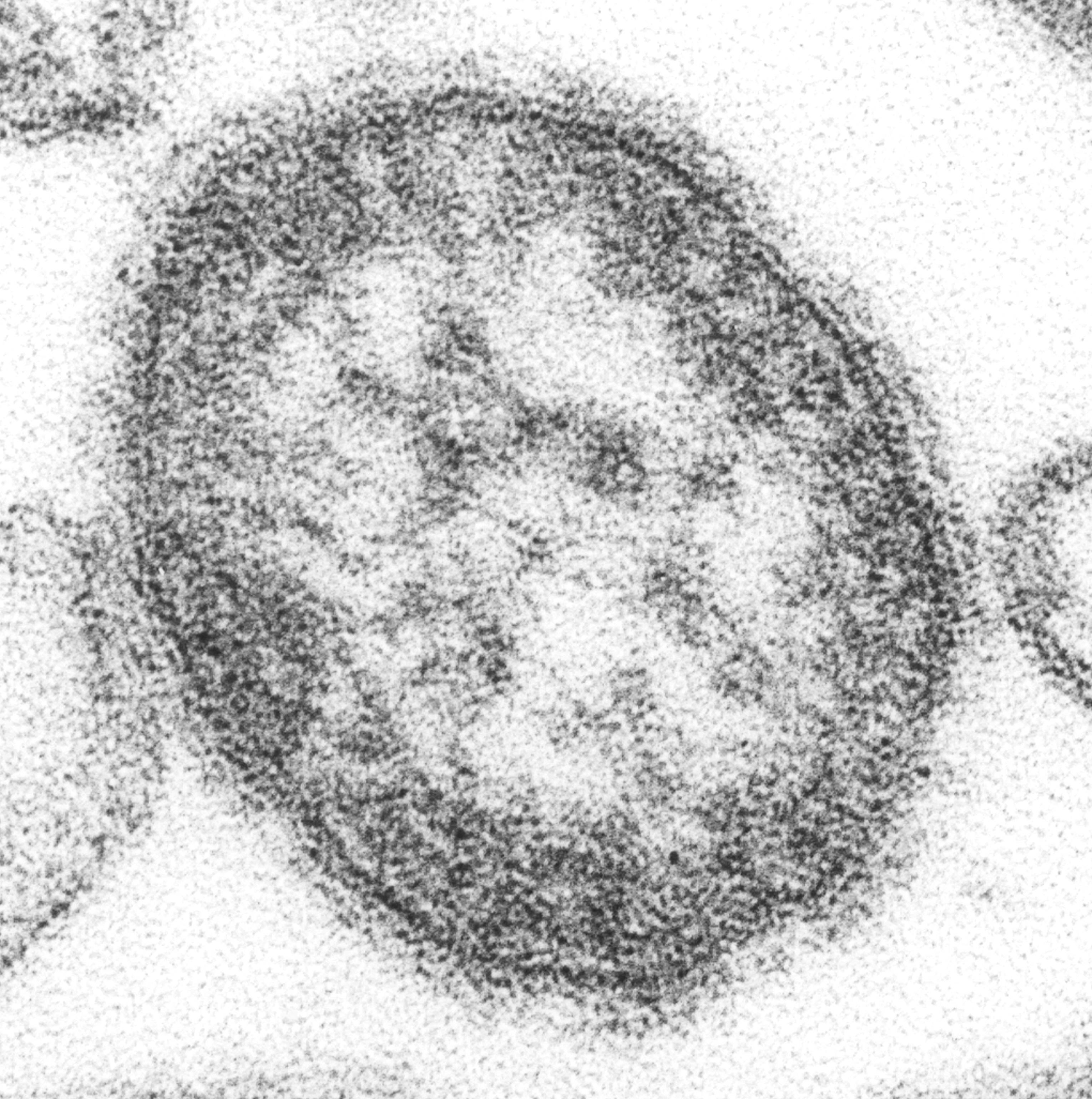
A child in rural Lewis County, New York, has died after contracting measles, Gov. Kathy Hochul announced Monday, in what state officials say is New York's first death from the disease in roughly 30 years. "I am heartbroken to learn that a child in Lewis County has died after contracting measles," Hochul said in a statement issued from Albany. "Measles is highly contagious, and vaccination remains our best protection against this dangerous disease."
The governor's office did not disclose the child's age, sex or the exact date of death, citing privacy. Lewis County, a sparsely populated stretch of the North Country about 93 miles north of Syracuse, had recorded no measles cases in decades before an outbreak took hold there this year. The death was first reported by The Associated Press, which noted the United States eliminated sustained domestic measles transmission in 2000 by maintaining high vaccination coverage — a status now increasingly contested as outbreaks recur nearly every year.
An outbreak that prompted a state emergency
The death follows weeks of escalating alarm in Albany. On Oct. 5, Hochul declared a state disaster emergency in response to rising measles cases in rural New York and in neighboring Pennsylvania, where a larger outbreak had already killed several people. At the time of that declaration, state health officials had logged 108 measles cases among New York residents in 2026 — seven in New York City and 101 elsewhere in the state, concentrated in under-vaccinated rural communities across 18 counties.
Lewis County itself had confirmed 11 cases by early October, all in unvaccinated people, tied to a single introduction into the county — its first measles case since 1994, according to county health officials. Local public health leaders had cautioned at the time that "the risk to the general public is still low, particularly if you're fully vaccinated or born before 1957," since nearly everyone born before that year is presumed immune from childhood exposure to the virus.
Hochul's emergency order widened the pool of providers who can give the measles, mumps and rubella (MMR) vaccine to include paramedics, advanced emergency medical technicians, midwives and pharmacists, and it allowed nurses, not just physicians, to order measles testing — an attempt to get shots into arms faster in rural areas with few doctors.
A vaccination shield that has frayed nationally
New York's outbreak is a local chapter of a broader national trend. As of Oct. 29, 2026, the Centers for Disease Control and Prevention had confirmed 4,852 measles cases across the country this year — far above any year since the disease was declared eliminated domestically in 2000 — and listed three measles-associated deaths nationally, a figure the agency itself flags as "subject to change." State health departments, including Pennsylvania's, have reported more deaths tied to measles than the CDC's confirmed federal count, a discrepancy that reflects how death investigations and case classifications can lag or differ between state coroners and federal reviewers.
The erosion sits on top of years of declining childhood immunization. The CDC's most recent school-entry survey, covering the 2025–26 school year, found national MMR coverage among kindergartners at 92.4%, down slightly from the previous year and well under the roughly 95% threshold epidemiologists say is needed to prevent sustained community spread. Vaccine exemptions, meanwhile, climbed to a record 4.2% of kindergartners nationally, up from 3.6% the year before — driven almost entirely by nonmedical exemptions, which have more than doubled since 2020, while medical exemptions have stayed flat near 0.2%. The CDC estimated roughly 280,000 kindergartners started the current school year without documented proof of completing the full two-dose MMR series.
"A devastating reminder of what's at stake when Washington deliberately erodes decades of progress," Gov. Kathy Hochul said of the Lewis County child's death.
Pennsylvania's parallel outbreak
New York's crisis has unfolded alongside a larger and deadlier outbreak just across the border. Pennsylvania's health department has reported a series of measles-associated deaths through the year — climbing from two deaths announced in late August to five or six by October, according to multiple local and trade outlets, with state officials saying all of the Pennsylvania victims identified so far were unvaccinated. Pennsylvania's case count topped 1,000 by early October, concentrated initially in Lancaster County before spreading to dozens of counties statewide. The gap between Pennsylvania's state-reported death toll and the CDC's lower confirmed national figure has become its own point of friction between state and federal health authorities this year.
Measles is among the most contagious pathogens known, capable of lingering in the air of a room for up to two hours after an infected person leaves it. The MMR vaccine, given in two doses, is about 97% effective at preventing infection, and the overwhelming majority of serious complications and deaths occur in people who were not vaccinated. Before mitigation measures were adopted in New York and Pennsylvania, both outbreaks were traced to clusters in communities with vaccination rates well below the herd-immunity threshold.
What comes next
New York's disaster emergency, as of this week, remains in effect as the state continues outreach efforts in Lewis County and other affected rural areas, including mobile vaccination clinics and expanded testing access. Hochul's office has not said whether the emergency order, which was tied to the ongoing outbreak rather than a fixed expiration, will be extended or modified following the child's death. Public health officials in both New York and Pennsylvania continue to urge parents to confirm their children are up to date on the two recommended MMR doses — typically given at 12–15 months and 4–6 years of age — and for adults uncertain of their own vaccination history to consult a doctor, particularly ahead of holiday travel and large family gatherings, when respiratory viruses like measles spread most easily.

New York City Marathon runner's death highlights rare muscle-breakdown disorder
Flu season arrives early as a mutated H1N1 strain drives hospitalizations to a 15-year high for this point in the year

Brad's kale chips recalled nationwide after FDA confirms thallium contamination
