Zelensky calls for four-way peace talks "as soon as possible" as NATO assembly closes in Berlin
Addressing NATO lawmakers in Berlin, Volodymyr Zelensky said Ukraine was ready to meet Russia, the US and Europe "literally tomorrow," as Washington pushes for a deal before January and NATO's Mark Rutte conceded allies remain split on Ukrainian membership.
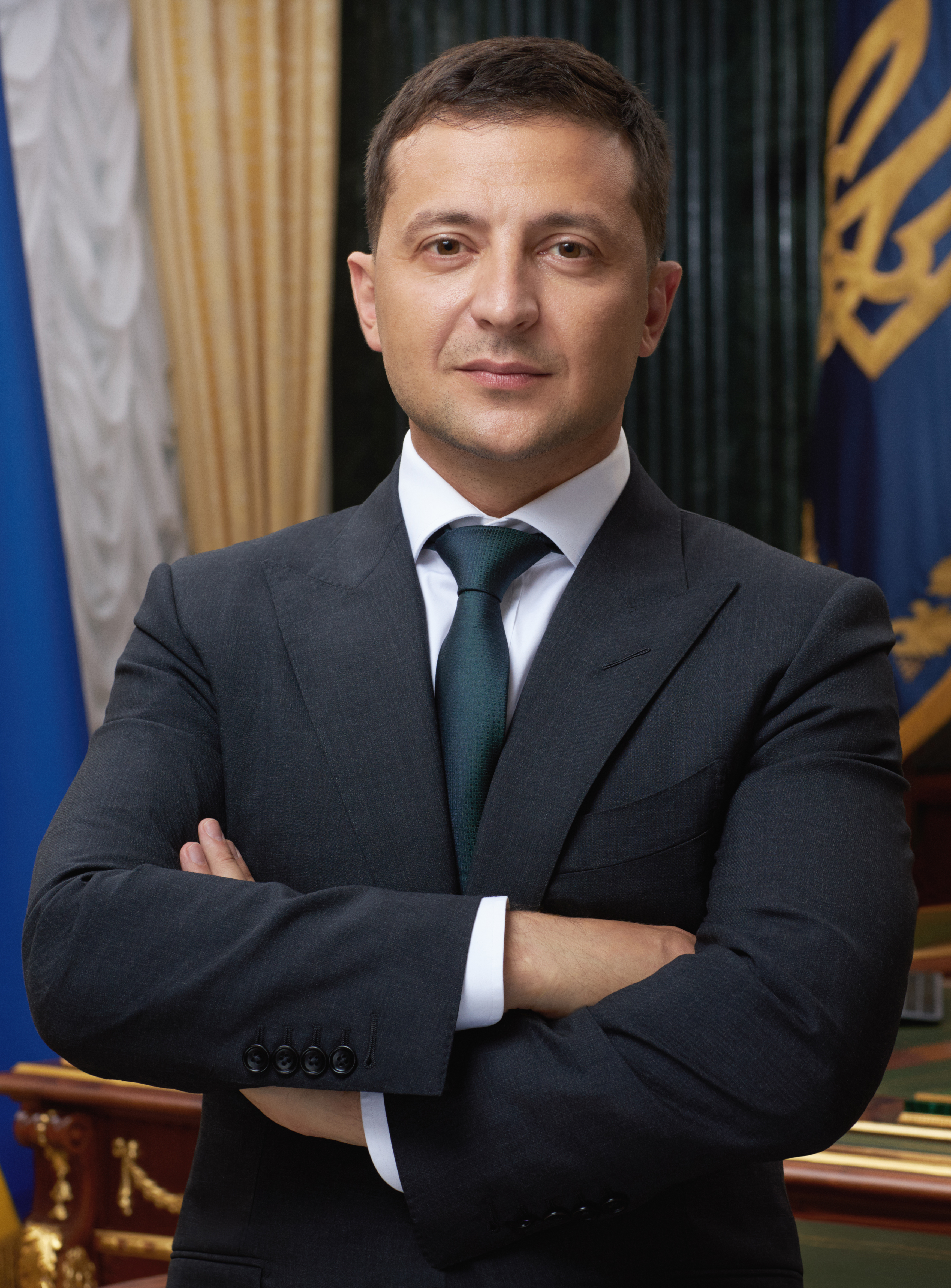
Ukrainian President Volodymyr Zelensky called on Monday for an urgent four-way meeting between Ukraine, Russia, the United States and European governments, saying Kyiv was ready to attend "literally tomorrow" as Washington pushes for a peace agreement before the end of the year. Speaking by video link to the closing plenary of the 72nd Annual Session of the NATO Parliamentary Assembly in Berlin, Zelensky said he had been told by US and European partners that they wanted the talks to happen before Christmas, and urged them to move sooner still.
The appeal came as US special envoys Jared Kushner and Steve Witkoff press both Kyiv and Moscow toward a settlement that the Trump administration is understood to want finalized before January. It also followed renewed disagreement over whether Ukraine's postwar security should come through full NATO membership, as Zelensky insists, or through a narrower set of guarantees modeled on the alliance's mutual-defense clause, which US and some European officials have floated instead.
The call is the latest step in a negotiating process that has run for most of this year without producing a ceasefire. US-brokered talks in Geneva in February produced what envoy Steve Witkoff called "meaningful progress" but no breakthrough on territory or a truce. A further round in Berlin in mid-December 2025 was described by one US official as having resolved "upwards of 90 percent" of the issues between the two sides, yet territorial questions and the shape of security guarantees were left unsettled then too. Russia's war against Ukraine, which escalated into a full-scale invasion in February 2022, is now approaching its fifth anniversary with no ceasefire in place and Russian forces continuing strikes on Ukrainian cities and energy infrastructure through the autumn.
What Zelensky said
"We must do everything to make sure that the four-party meeting happens as soon as possible," Zelensky told the roughly 280 lawmakers from NATO member and partner states gathered for the assembly's four-day session, which ran from November 20 to 23 under the joint host of the German Bundestag and Bundesrat. "We are ready to do this. Literally tomorrow," he said, adding: "We have heard from our partners that they want to try to make it happen before Christmas. We hope it happens sooner."
He used the address, delivered alongside NATO Secretary General Mark Rutte and German Foreign Minister Johann Wadephul, to repeat his argument that NATO membership remains the only security arrangement Kyiv can rely on. "NATO is the answer – and with a strong Ukrainian army, NATO itself is guaranteed to be stronger," he said. He pushed back on the alternative being discussed with Washington, an Article 5-style bilateral guarantee outside the alliance structure, listing the questions he said remained unanswered: "Which countries will support Ukraine if Ukraine is attacked again? What exactly will our partners do in response? Which troops will be stationed on our territory in advance? How much will all this cost? And will it really work? All of this is not easy and so far we have not heard clear specific answers."
Rutte, responding to the same assembly, acknowledged that the alliance remains split on the question. "Not all NATO allies agree at this moment [on] letting Ukraine become a member," he said, while rejecting any suggestion that Russia could have a say in the matter. NATO's own position, set out on the alliance's website, dates to the 2008 Bucharest Summit pledge that Ukraine "will become" a member and the 2023 decision that it no longer needs a Membership Action Plan, leaving the decision a single step that requires unanimous allied agreement and is triggered only "when Allies agree and conditions are met."
Pressure for a deal, and its price
In a separate interview reported by Bloomberg and carried by European Pravda, Zelensky said Kushner and Witkoff want an agreement "as soon as possible," ideally before the start of January. "There's a desire to move very quickly, both we and the Russians understand that," he said, adding that Ukraine was prepared for the cost such speed might carry: "We understand what the price might be." He said that if no deal acceptable to Kyiv materializes, Ukraine would instead seek a large new package of US military aid and tougher sanctions on Russia. "There must be such a level of support for Ukraine and such sanctions that they send a clear signal to the Russians," he said, adding, "It's time to sit down at the negotiating table and end the war."
"We very much want peace too, but not at Ukraine's expense alone."
That line, delivered in the same interview, captures the balance Zelensky has tried to strike through nearly five years of full-scale war: visible eagerness to end the fighting, paired with resistance to a settlement he says would be imposed on Kyiv rather than negotiated with it. Kushner said on November 23 that US negotiators would work over the coming weeks with Ukrainian, European Union and Russian representatives to reach a common position on what he has called Europe's future "security architecture," a process that has already produced friction over how far Europe will be allowed into talks the US and Russia have at times tried to conduct bilaterally.
Who is affected, and the money behind it
The stakes extend beyond the battlefield into Ukraine's budget. European Union leaders, meeting informally in Dublin on November 13, flagged a roughly €70 billion shortfall in Ukraine's financing needs for 2027 and tasked the European Commission with proposing how to close it; the question returns to EU leaders at a dedicated summit in Brussels on November 26 and 27. The bloc's existing commitments, including a €90 billion loan package for 2026 and 2027 and a €6.6 billion release through the European Peace Facility, were reaffirmed in the European Council's October 16 conclusions on Ukraine, which also stated that the EU and its member states "stand ready to contribute to robust and credible security guarantees for Ukraine," chiefly through the France- and UK-led Coalition of the Willing working with the United States. The same conclusions insisted that "the path to peace in Ukraine cannot be decided without Ukraine," a line aimed at European capitals' recurring worry that a US-Russia deal could be struck over their heads and Kyiv's.
Millions of Ukrainian civilians remain the most direct stakeholders in any outcome: those still under Russian occupation, the displaced inside and outside the country, and residents of front-line regions facing a fifth winter of strikes on power and heating infrastructure. Zelensky's appeal for allies to release air-defense stocks, rather than let interceptor missiles "sit in warehouses collecting dust," was aimed squarely at that population. European taxpayers and governments, meanwhile, face the financing question directly, as do the 32 NATO member states, which must agree unanimously before any membership invitation to Ukraine can be extended.
What's next
No date, venue or confirmed format for a four-way meeting had been announced as of Tuesday. Zelensky's own account suggests the practical options are a trilateral or quadrilateral session before Christmas, continued shuttle diplomacy by Kushner and Witkoff between Kyiv, Brussels and Moscow, or a slower track tied to the US administration's preference for a deal before January. Diplomats from Ukraine, the US and five European countries, alongside the EU and NATO, are expected to continue working through the details of a security framework in parallel with those broader negotiating tracks, according to Zelensky's account of discussions following last week's Coalition of the Willing meeting in Berlin.
The EU's November 26-27 summit will test whether European governments can agree on financing Ukraine through 2027 even as the shape of any peace settlement remains unresolved. NATO's Rutte gave no timetable for revisiting the alliance's internal split over Ukrainian membership, leaving that question, like the composition and timing of the proposed four-way talks, open heading into the winter.
France 24 — Zelensky urges four-way peace talks with Russia, Europe and US "as soon as possible"
European Pravda / Bloomberg — Zelenskyy: Trump's envoys pushing for peace deal "as soon as possible"
German Bundestag — Press release on the 72nd NATO Parliamentary Assembly Annual Session, Berlin
European External Action Service — European Council conclusions on Ukraine (16 October 2026)

Bukele Names Three Salvadoran Soldiers Killed in Haiti Anti-Gang Campaign

Russian drone strike destroys apartment block in Kyiv region, killing 11
